
St Kitts and Nevis: The Eastern Caribbean's Premier Citizenship
The St Kitts and Nevis programme is the longest-running of the Eastern Caribbean Citizenship by Investment programmes, and consistently ranks among the most respected. The reasons it continues to lead.
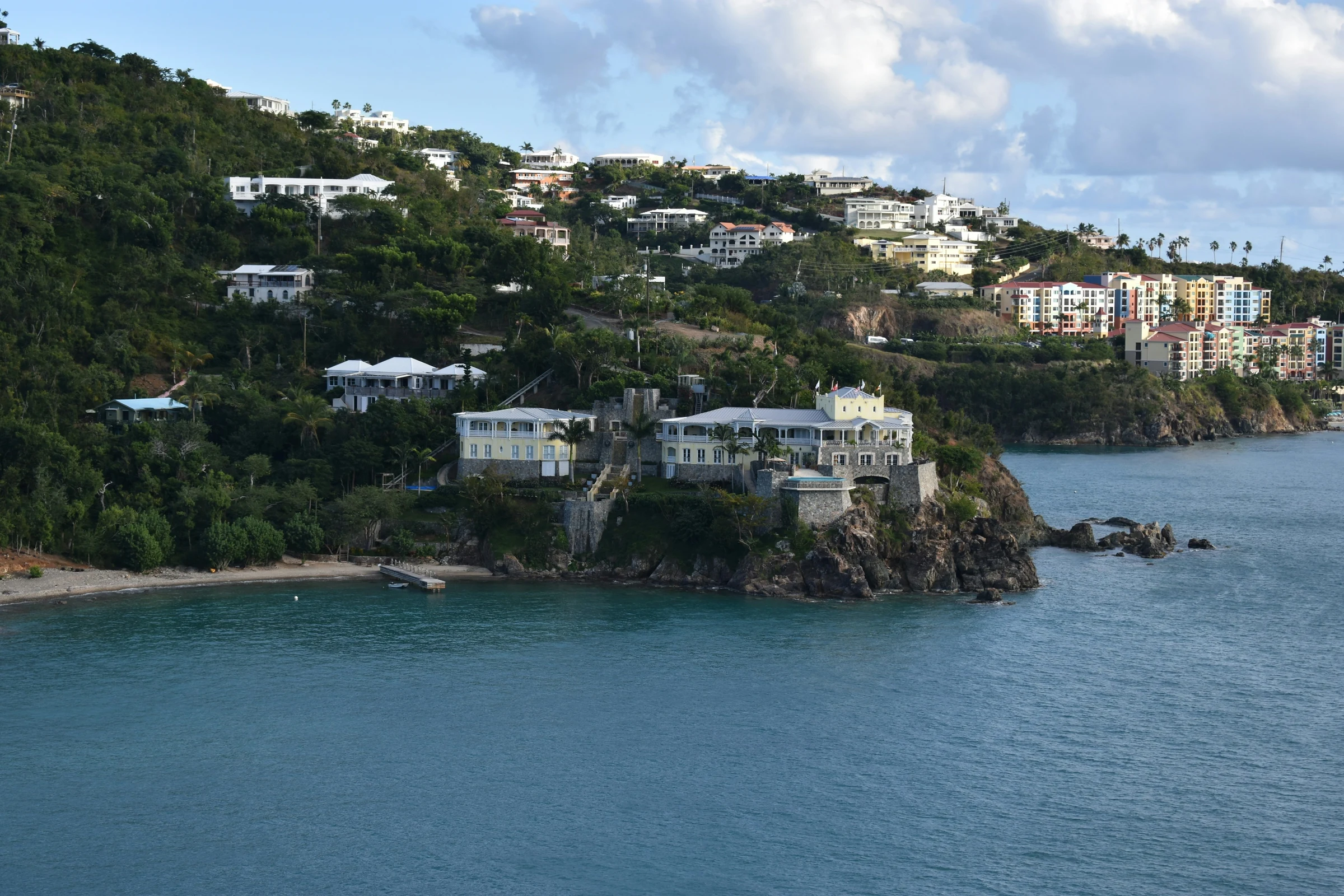
An aerial Eastern Caribbean coastline.
The Ranking and What It Measures
The then-Prime Minister of St Kitts and Nevis, Dr. the Honourable Timothy Harris, revealed that the country’s passport had been ranked the most powerful citizenship within the Eastern Caribbean and the second most powerful within CARICOM.
St Kitts and Nevis citizens currently enjoy visa-on-arrival or visa-free access to 150 countries, including the UK, the Schengen Zone, Singapore, Hong Kong, and other key business hubs across the world.
“The methodology used in this most recent citizenship ranking considered, among other factors, visa-on-arrival travel — which the ranking agency accorded a high score of 50 percent — taxation policy, issues to do with freedom, and the ease with which persons can have more than one citizenship,” said Prime Minister Harris.
What Drives the Standing
“Specific initiatives of my government — such as increasing our diplomatic footprint and the number of countries with which we now have visa-on-arrival entry — have helped. So too has our competitive tax policy, the high level of democratic freedoms including press freedoms enjoyed here, and the enhanced reputation of our country attributed inter alia to the platinum status of our recognised Citizenship by Investment Programme, resulting in our prestigious standing.”
“The international acclaim of St Kitts and Nevis as a tourist destination, our high ranking among the most dynamic countries investing in ICTs, our fiscal surpluses, and tax-free budgets have no doubt also impacted positively on the perception of our country.”
A Note on Earlier-Era Passports
Prime Minister Harris also discussed the recall of earlier St Kitts and Nevis citizenships that had been issued without a field indicating place of birth. Approximately 15,197 regular passports, 91 diplomatic passports, and 39 official passports had been issued without the country-of-birth field. The government acted to discontinue their use.
“My government has taken the decision to deactivate all passports issued by the former government without the country of birth field. All such holders will have to reapply for a new passport with the relevant country of birth field, and they will pay the cost of the new passport. This is an imperative — to safeguard the integrity of our passport, to comply with international best practices, and to satisfy our commitment to being a responsible member of the international community.”
If you would like to speak privately about whether a Citizenship by Investment programme fits your circumstances, reach a senior advisor at PassPro.
Have a specific question?
A senior advisor will answer it directly. Free, no obligation.
Begin a Confidential Conversation