
Everything CBI Applicants Need to Know About CARICOM
How the Caribbean Community (CARICOM) affects Citizenship by Investment passport holders — free movement, residency rights, and what your second citizenship grants you across the region.
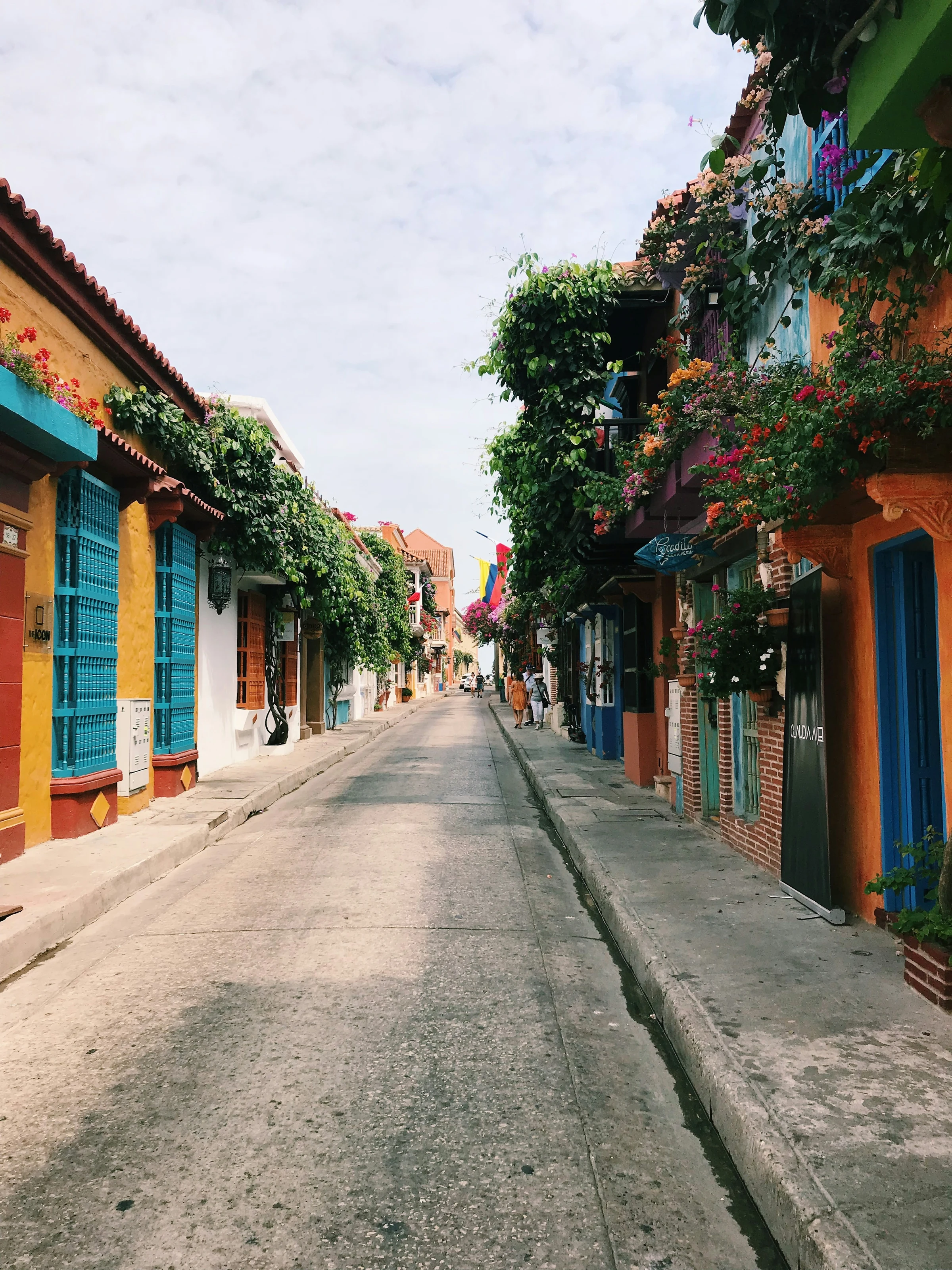
A vibrant colonial street in the wider Caribbean region, lined with brightly painted facades.
The Caribbean Community — CARICOM — is a regional bloc of fifteen sovereign states that have committed, over four decades, to a degree of economic integration including a single market and common labour-movement framework. For Citizenship by Investment passport holders, CARICOM matters because it shapes what a Caribbean passport grants you across the region, not just within the issuing country.
What CARICOM grants citizens
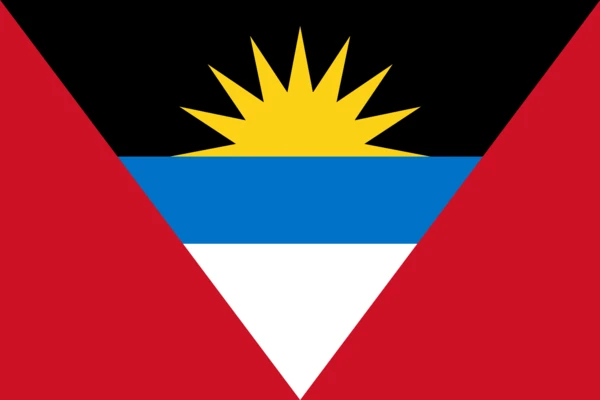
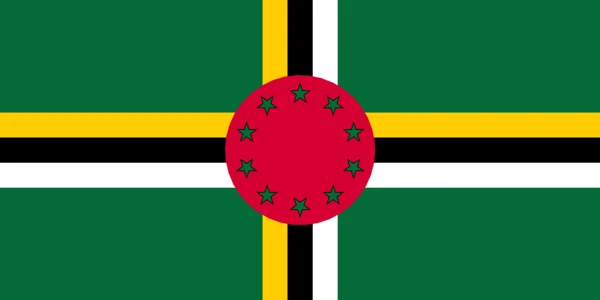
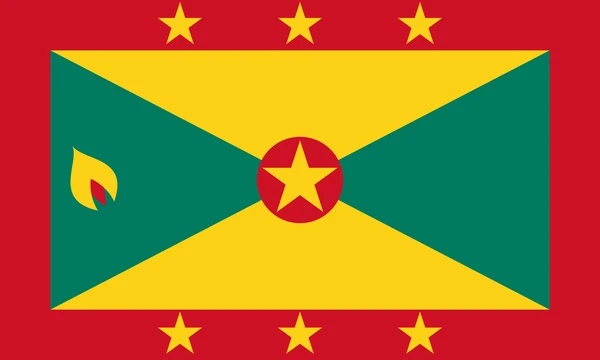
A citizen of any CARICOM member state has the right to enter, reside, and work in any other CARICOM member state without a separate visa or work permit, under the CARICOM Single Market and Economy (CSME) framework. This right applies to all five Caribbean CBI countries (Antigua and Barbuda, Dominica, Grenada, Saint Kitts and Nevis, Saint Lucia) and to ten other regional states including Barbados, Trinidad and Tobago, Jamaica, Guyana, Belize, and others.
In practice, this means a Dominica passport gives you free movement and residency rights across the entire CARICOM region — not just within Dominica itself.
What it does not grant
CARICOM is not a full union. Free movement does not automatically extend to professional licensing — a doctor licensed in Dominica still needs separate licensing to practise medicine in Trinidad. Tax matters remain individual to each member state. Political rights (voting in national elections) remain limited to citizens of the specific country, not the bloc.
Why this matters for principals considering CBI
The CARICOM dimension is one of the under-appreciated benefits of Caribbean CBI. For an internationally mobile principal:
- Business mobility: you can establish operations across the region without separate visa applications. The administrative friction is structurally lower.
- Real estate: property ownership rules vary by country, but CARICOM citizens generally face lighter restrictions than non-regional foreign nationals.
- Family planning: your children inherit your citizenship and, with it, regional mobility rights for their generation.
- Geographic diversification: a Dominica or Grenada citizenship gives you working access not just to that country, but to a region of fifteen states.
What’s recent
CARICOM heads of government have, in the past five years, increased coordination on CBI standards — including unified due-diligence requirements and harmonised investment thresholds for the donation route. The result is a tighter, better-regulated set of programmes that has strengthened the credibility of the passport rather than weakened it. PassPro has supported and operates fully within these standards.
Practical considerations
If you are considering Caribbean CBI specifically for regional access — say, for business reasons in Barbados or Trinidad — the choice of which programme to apply through (Antigua, Dominica, Grenada, St Kitts, or St Lucia) is less significant than it might first appear. All five grant equivalent CARICOM rights. The choice between them comes down to other factors: family inclusion rules, processing time, visa-free reach beyond CARICOM, and the specific programme that best fits your circumstances.
For a private conversation about which programme fits your specific situation, reach a senior advisor at PassPro.

Have a specific question?
A senior advisor will answer it directly. Free, no obligation.
Begin a Confidential Conversation